
Understanding how bettors read odds is fundamental to grasping the dynamics of modern betting. Odds serve as the language of betting, providing not only the probability of an event occurring but also the potential payout a bettor might receive. Bettors often encounter odds presented in various formats, including fractional, decimal, and moneyline, each of which communicates the same information in different ways. Understanding these distinctions is crucial for making informed decisions and managing risk effectively.
Fractional odds are perhaps the most traditional format, commonly used in the United Kingdom and Ireland. They are written as a fraction, such as 5/1 or 10/3, indicating the potential profit relative to the stake. For example, odds of 5/1 mean that for every unit wagered, the bettor can earn five units in profit if the bet succeeds, plus the original stake. Fractional odds make it relatively straightforward to calculate potential returns, but they can appear confusing to beginners unfamiliar with the format. Bettors often rely on simple mental calculations or digital tools to convert these odds into implied probabilities to gauge the likelihood of a particular outcome.
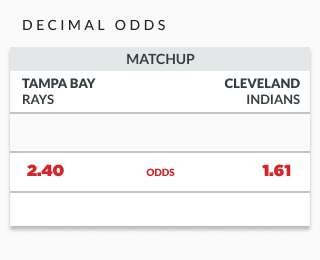
Decimal odds, widely used in Europe, Canada, and Australia, present the total return, including the stake, per unit bet. For instance, decimal odds of 6.0 correspond to a 5/1 fractional odd, as a successful $1 bet would return $6, which includes the original $1 stake plus $5 profit. Decimal odds are often considered more intuitive because they allow bettors to quickly determine potential winnings by multiplying the stake by the decimal figure. Bettors familiar with this format often compare decimal odds across different bookmakers to identify value bets, where the implied probability offered exceeds their assessment of the event’s actual probability.
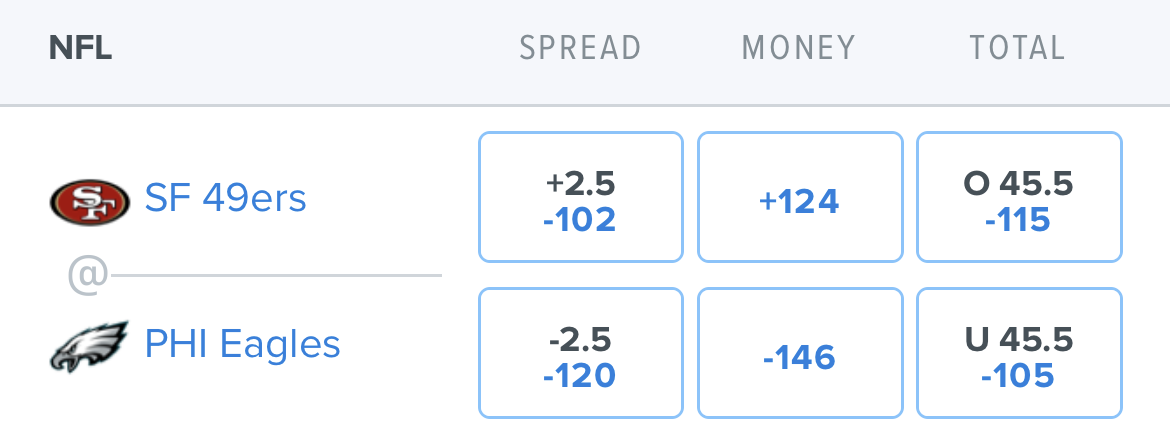
Moneyline odds, predominantly used in the United States, express odds in terms of a base value of 100. Positive moneyline odds, such as +500, indicate how much profit a bettor would earn on a $100 stake, while negative odds, such as -200, indicate the amount needed to wager to earn $100 in profit. Moneyline odds can appear less transparent at first glance, but they are straightforward once the bettor understands the system. They offer a quick way to see which side is favored, with negative numbers representing the favorite and positive numbers representing the underdog. Bettors often adjust stakes according to their confidence level and potential return, using moneyline odds to weigh risk versus reward.
Beyond understanding formats, bettors also focus on the implied probability derived from odds. Converting odds into probability allows a bettor to evaluate whether a wager represents good value. For fractional odds, the formula is denominator divided by the sum of numerator and denominator, while for decimal odds, it is one divided by the decimal figure. Moneyline odds require slightly different calculations depending on whether the number is positive or negative. Bettors who master these conversions can assess if the bookmaker’s odds align with their own analysis, identifying opportunities to exploit discrepancies and maximize expected value.
Reading odds is not solely about the numerical format; it also involves interpreting how bookmakers set lines. Bookmakers adjust odds based on a combination of statistical modeling, historical data, and market behavior. Bettors who pay attention to shifts in odds over time can gain insights into betting trends and potential outcomes. For instance, significant movement in odds may indicate large bets placed on one side, prompting other bettors to reconsider their positions. Some experienced bettors even use line movements strategically, placing wagers ahead of market shifts to capture favorable odds before they adjust.
Psychological factors also influence how bettors read and respond to odds. Risk perception varies among individuals, with some drawn to long-shot bets with high payouts and others preferring favorites with lower returns but higher probability. Understanding this psychology can be crucial for managing bankroll and maintaining discipline. Bettors often develop strategies tailored to their risk tolerance, using odds as a tool to balance potential reward against the probability of success. This disciplined approach helps prevent impulsive betting, which can erode capital over time.
Technology has further transformed how bettors interact with odds. Online platforms and betting exchanges provide real-time updates, allowing bettors to monitor changes and react instantly. These platforms often feature advanced calculators, comparison tools, and analytical data, making it easier to read odds in context and make informed decisions. Mobile applications have made this process even more accessible, enabling bettors to track multiple markets simultaneously and adjust strategies dynamically. Experienced bettors often leverage these tools to identify value opportunities, hedge positions, or diversify bets across different events.
Reading odds also requires understanding the concept of vig or margin, which is the bookmaker’s built-in edge. Bettors must recognize that the odds offered do not always represent true probabilities due to this margin. The vig ensures that bookmakers maintain profitability regardless of outcomes, so discerning bettors incorporate this factor into their analysis. By understanding the relationship between odds, implied probability, and vig, bettors can develop strategies to maximize long-term returns and minimize exposure to unfavorable lines.
Moreover, seasoned bettors often study different markets and bet types, as odds reading can vary depending on context. Sports betting, for example, may include moneyline, point spread, and totals, each requiring a slightly different approach to interpret potential outcomes. Similarly, in financial or esports betting, odds may reflect complex variables beyond simple win-loss scenarios. Successful bettors adapt their reading techniques to suit the specific market, combining statistical analysis with intuition gained from experience.
In summary, reading odds is a multifaceted skill that combines numerical literacy, probability assessment, market awareness, and psychological insight. Bettors must navigate various formats—fractional, decimal, and moneyline—while converting these into meaningful probabilities. They monitor line movements, consider bookmaker margins, and adjust strategies according to risk tolerance. Technology enhances this process, providing tools and real-time data that allow for informed decision-making. Mastery of odds reading enables bettors not only to predict outcomes more accurately but also to manage risk and identify value opportunities, ultimately leading to a more strategic and disciplined approach to wagering.
Understanding these principles is essential for anyone serious about betting, as it transforms the act from a gamble based on chance to a calculated exercise in probability, risk management, and strategic thinking. Bettors who invest time in learning to read odds effectively are better equipped to make informed decisions, preserve their bankroll, and potentially achieve consistent long-term success.





Leave a Reply